Insurtech
AI and the Human Cell Atlas: Mapping Every Cell in the Body
By Insurance Wire Staff, . Insurance Wire.
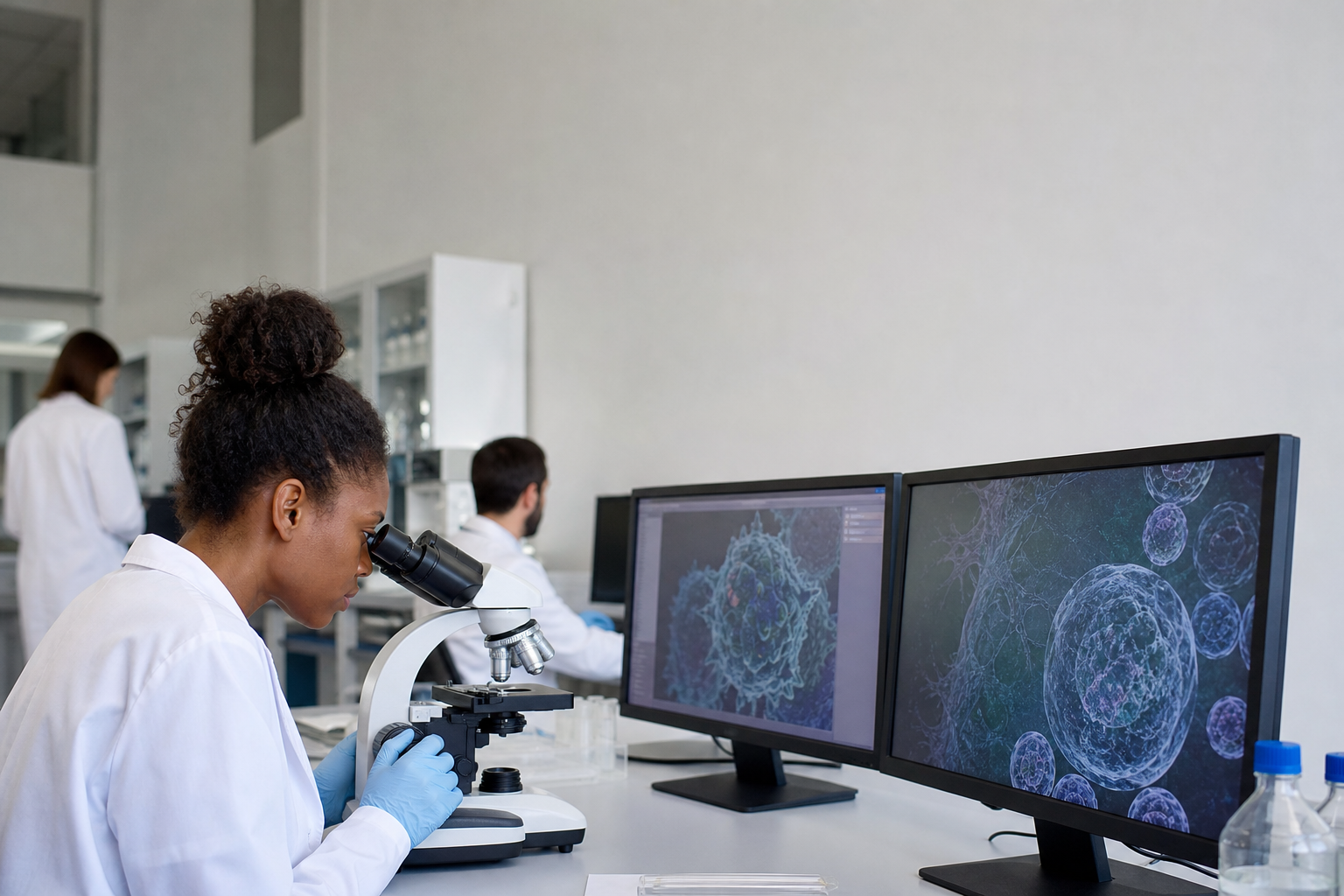
A global research effort is underway to do for human cells what the Human Genome Project did for DNA: map them completely, and use that map to change medicine. KFF covered the story in its ongoing AI in health care podcast series, featuring a conversation with Dr. Sarah Teichmann, one of the founders of the project at the center of it.
What the Human Cell Atlas is
The Human Cell Atlas is a worldwide collaboration involving thousands of scientists. Its aim is to create comprehensive reference maps of all human cell types, cataloging their characteristics, locations, and roles in the body. Think of it as a biological atlas: just as anatomists once charted organs and bones, this project is charting the cellular building blocks underneath.
Artificial intelligence is central to the effort. The volume of data generated by mapping cells across different tissues, developmental stages, and disease states is far beyond what researchers could process manually. AI tools are being used to identify patterns, classify cell types, and build the reference maps that scientists and drug developers will eventually consult.
Dr. Teichmann co-founded the initiative in 2016 while at the Wellcome Sanger Institute. She now holds a chair in Stem Cell Medicine at the University of Cambridge and dedicates part of her time to GlaxoSmithKline. She also serves as a non-executive director at 10x Genomics, a company that develops tools for analyzing biological samples at the single-cell level. Her lab focuses on understanding how cellular diversity is generated, particularly in the immune system and during development.
Why it matters for health care and insurance
The practical stakes are large. A detailed map of healthy and diseased cell states could accelerate drug discovery by giving researchers a clearer picture of what goes wrong at the cellular level in conditions ranging from cancer to autoimmune disease. It could also improve diagnostics, potentially allowing earlier and more precise identification of disease before symptoms appear.
For insurers and carriers, earlier and more accurate diagnosis is a double-edged development. Catching disease earlier can reduce the cost of late-stage treatment, which tends to be the most expensive phase of any serious illness. At the same time, better diagnostics can surface conditions that were previously undetected, expanding the pool of people with documented health needs and complicating underwriting assumptions built on older prevalence data.
Drug discovery timelines and costs are also relevant. If the Human Cell Atlas shortens the path from biological insight to approved therapy, it could affect the pricing and availability of treatments that insurers cover, and the pace at which new therapies enter formularies (the lists of drugs a plan agrees to pay for).
What is still uncertain
The KFF report is a podcast summary rather than a detailed research paper, so the specific timelines, cost projections, and clinical milestones that would let insurers or actuaries model the impact are not established here. The project is described as ongoing, with thousands of scientists involved globally, but no completion date or phased deliverable schedule is given.
It is also worth separating the scientific ambition from the commercial reality. Mapping cell types is a foundational step; translating that map into approved drugs or diagnostic tools involves regulatory pathways, clinical trials, and manufacturing challenges that the atlas itself does not resolve. The gap between a biological reference map and a covered treatment is measured in years and billions of dollars.
What professionals in health insurance should watch is how quickly findings from the atlas begin appearing in drug development pipelines, and whether regulators or payers start referencing cell-level data in coverage or reimbursement decisions. That is the point at which a scientific project becomes an operational question for carriers and benefits administrators.
Source: https://www.kff.org/other-health/can-ai-find-the-cure/
Insurance Wire provides news and information, not insurance, legal, or financial advice. Consult a qualified professional about your specific needs.