Carriers
Warren presses NAIC on private credit ties as Walter probe widens
By Insurance Wire Staff, . Insurance Wire.
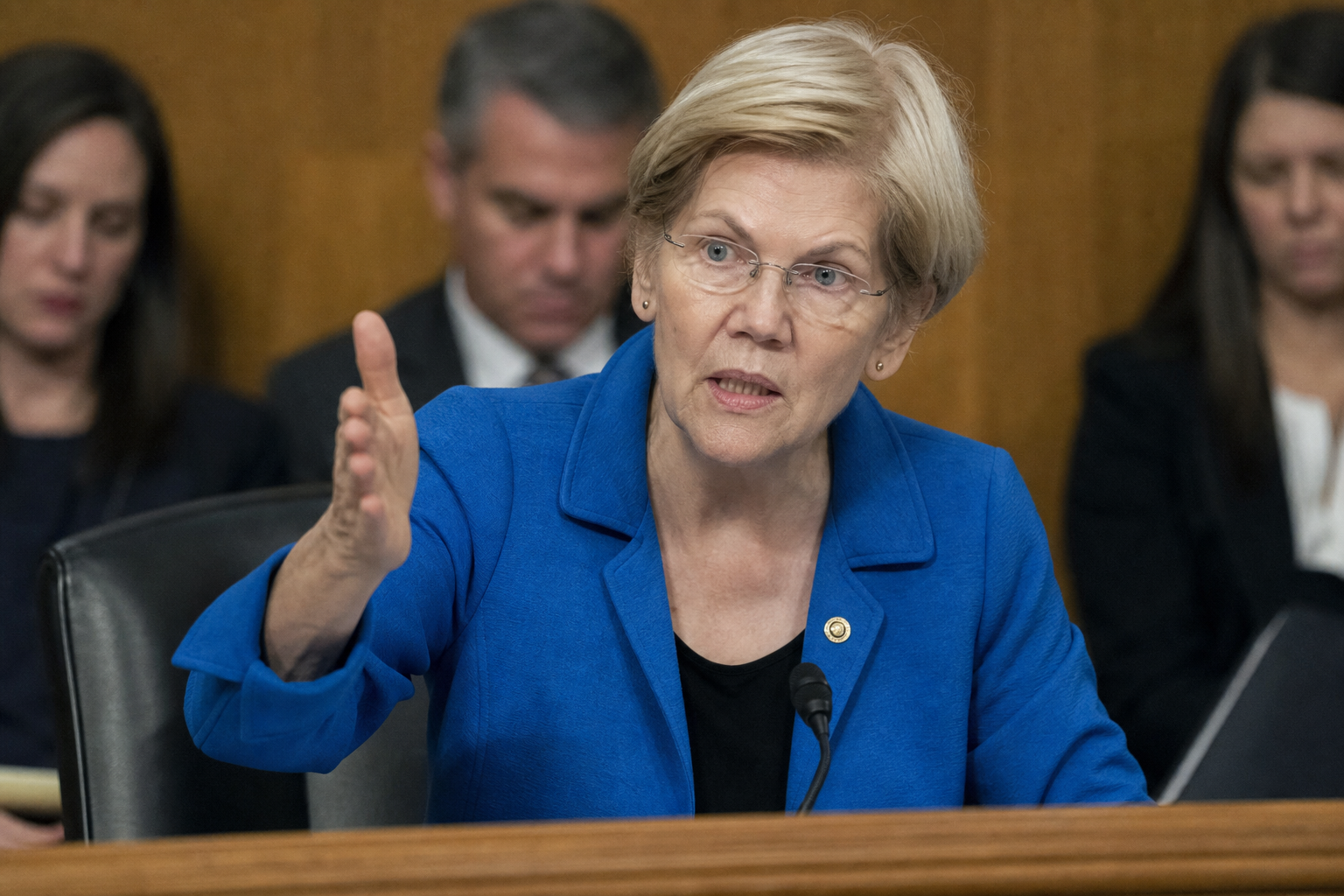
Senator Elizabeth Warren has sent a letter to the National Association of Insurance Commissioners pressing for answers on insurers' ties to private credit markets, Insurance Business America reported, as a probe connected to Walter continues to expand.
According to Insurance Business America, the NAIC letter points to a tenfold-plus jump in one insurer's reported related-party holdings. Related-party transactions are dealings between an insurer and entities it is connected to, such as affiliates or parent companies, and regulators scrutinise them because they can obscure the true financial condition of the insured entity. The publication reported that Warren's inquiry asks specifically whether state oversight can keep pace with the private equity footprint in life insurance.
The report does not name the insurer whose related-party holdings are cited, nor does it detail the timeframe over which the tenfold increase was measured. It also does not specify what stage the Walter probe has reached or which authorities are conducting it. Those gaps matter: without knowing which carrier is involved or the regulatory posture of its domicile state, it is difficult to assess how acute the supervisory gap Warren is describing actually is.
The broader concern Warren appears to be raising is structural. Private equity firms have been acquiring or partnering with life insurers at pace over the past decade, often routing policyholder assets into private credit strategies, including collateralised loan obligations and direct lending funds, that offer higher yields but are less liquid and harder to value than public bonds. State insurance regulators, who are the primary supervisors of US insurers, have faced persistent questions about whether their examination resources and statutory investment frameworks were designed for this kind of balance sheet.
A tenfold increase in related-party holdings at a single carrier, if confirmed, would be the kind of figure that concentrates regulatory attention. Related-party exposure is a known vector for financial distress in insurance: when an insurer's assets are heavily concentrated in instruments issued or managed by affiliated entities, an independent assessment of asset quality becomes harder to perform and conflicts of interest are more difficult to police. The NAIC's own solvency framework includes related-party transaction reporting requirements, but the adequacy of those requirements when applied to complex private equity structures has been debated within the regulatory community for several years.
What Warren's letter does not establish, on the basis of Insurance Business America's reporting, is whether any insurer has actually breached existing rules. The question she appears to be posing is whether the rules themselves are sufficient, which is a different and harder problem. Regulatory gaps of this kind tend to close slowly: they require either NAIC model law revisions adopted by individual states, or federal intervention, neither of which moves quickly.
What to watch is how the NAIC responds and whether the Walter probe produces findings that give the political pressure more specificity. If a named carrier with a large block of life or annuity liabilities is shown to have material related-party exposure that regulators did not adequately flag, the case for accelerated reform of state oversight frameworks becomes considerably stronger.
Insurance Wire provides news and information, not insurance, legal, or financial advice. Consult a qualified professional about your specific needs.