Claims
Two California Verdicts Hit Caesarstone With $100M in Silicosis Damages
By Insurance Wire Staff, . Insurance Wire.
Two California juries delivered verdicts totaling roughly $100 million against Caesarstone, the Israeli artificial stone manufacturer, within the span of a single month, according to Business Insurance.
What happened
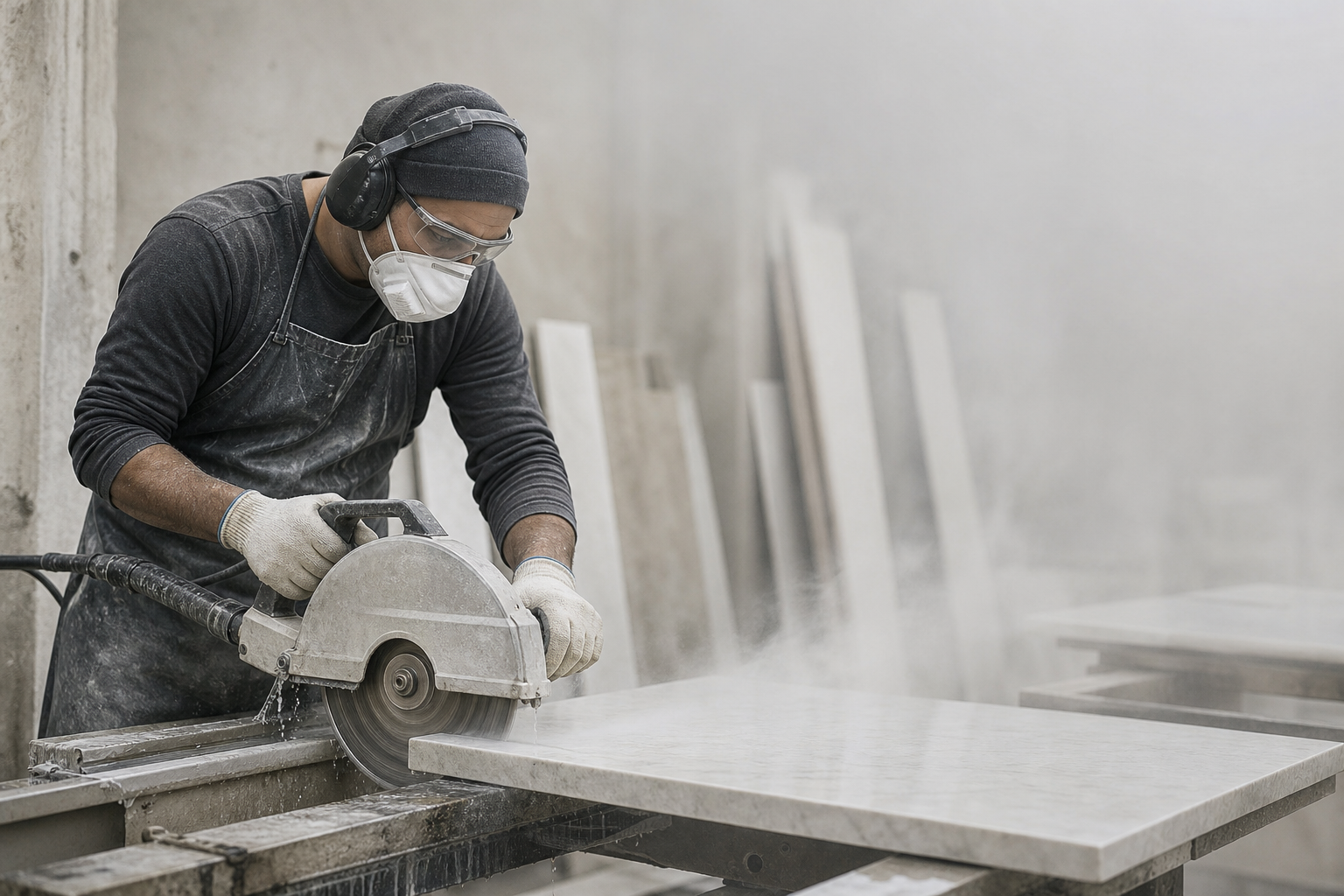
The larger of the two verdicts, handed down October 26, awarded approximately $67.7 million to Dennys Rene Rivas Williams, a fabricator who cut artificial stone countertops at Primus Marble in Los Angeles for seven years. He was diagnosed with silicosis, a progressive and incurable lung disease caused by inhaling fine silica dust, at age 35, and underwent a double lung transplant two years later. Those replacement lungs are already failing, and his lawyers said he is expected to need a second transplant next year.
The jury assigned Caesarstone Ltd. and its US subsidiary Caesarstone USA a combined 69% of the fault, finding that the product's design was defective and that the company could have foreseen the harm. Primus Marble, his employer, was found 30% liable under California's strict liability law. The award included $60 million in non-economic damages, with the remainder covering medical costs and lost future earnings.
A separate jury had already assessed a $33 million verdict on October 21 in the case of an unnamed fabricator who developed silicosis after 13 years in the trade. In that case, Caesarstone and its US subsidiary were found 22% responsible, while the fabricator's shop, Lucky Stone, bore 70% of the liability. That jury also rejected Caesarstone's argument that the harm resulted from misuse of its product.
Why it matters
Brayton Purcell, the Novato, California law firm that won both cases, told Business Insurance that seven artificial stone silicosis cases have now been tried in the US, with all but one ending in a verdict for the plaintiff. That record makes this a litigation environment carriers cannot treat as a tail risk: it is an active and largely plaintiff-friendly docket.
The underlying exposure is substantial. One study cited in the report puts the number of US stone fabricators at risk of silicosis at around 100,000. California's worker safety agency drafted a rule in September calling silica-based artificial stone products "uniquely hazardous" and proposing a ban. Caesarstone USA's president, in a letter to that agency, urged prioritizing enforcement of existing worker safety rules but did not explicitly oppose the proposed ban, according to the report.
Caesarstone launched a silica-free product made from recycled glass in 2025, and recycled materials now make up roughly a third of its portfolio. The company is still selling high-silica products, Brayton Purcell said.
A Caesarstone 6-K filing with the SEC, dated October 26, 2026, confirmed the verdict and the 69.1% fault apportionment, though it put the damages figure at approximately $67.3 million, a slight difference from the $67.7 million reported by Business Insurance.
What to watch
The liability picture for product manufacturers in the artificial stone space is hardening fast. With nearly every case going to verdict for plaintiffs, the question for underwriters is not whether more suits will come, but how quickly the docket grows and whether California's proposed ban accelerates litigation in other states. Caesarstone has not commented publicly on its litigation strategy. What remains unknown is how its insurers are positioned across both the product liability and workers compensation lines, and whether the company's pivot toward silica-free products will be treated as a mitigating factor in future cases or simply as an acknowledgment of the risk that existed all along.
Source: https://www.businessinsurance.com/stonemaker-named-in-verdicts-totaling-100m-over-deadly-disease/
Insurance Wire provides news and information, not insurance, legal, or financial advice. Consult a qualified professional about your specific needs.