Claims
Pennsylvania Appeals Court Upholds $815M Benzene Verdict Against Exxon Mobil
By Insurance Wire Staff, . Insurance Wire.
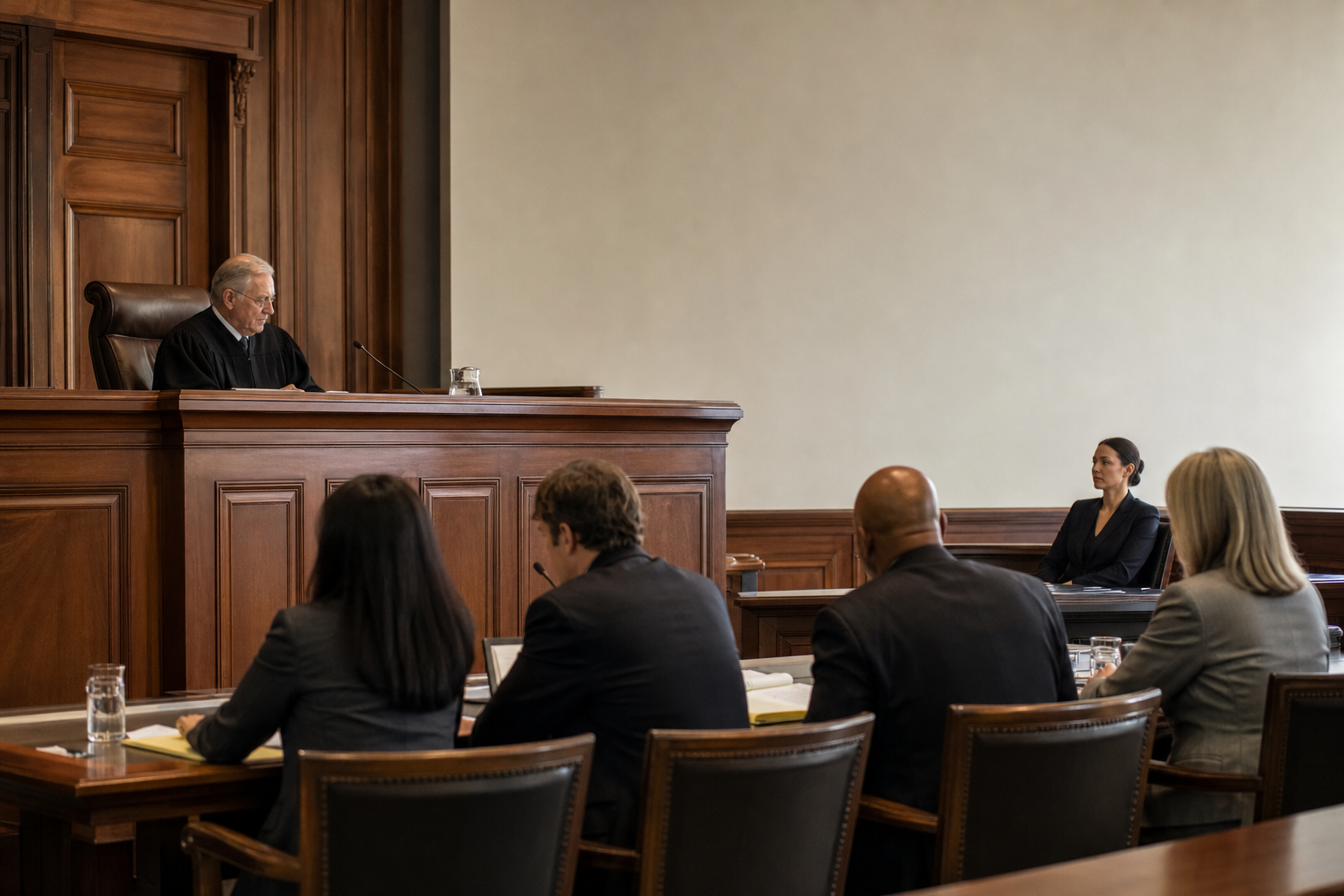
An $815.5 million judgment against Exxon Mobil Corp. survived its first major appellate test on October 15, when a three-judge panel of the Superior Court of Pennsylvania refused to disturb the award.
What the case is about
Paul Gill worked as a mechanic and gas attendant at a Mobil service station in Potter County, Pennsylvania, from 1974 to 1979. His job regularly required him to clean automobile parts using ExxonMobil gasoline, a common practice at the time. He wore no gloves or other protective gear because he was not told that gasoline could expose him to benzene, a chemical linked to blood cancers, through skin contact and inhalation.
Gill was diagnosed with acute myeloid leukemia, a cancer of the blood and bone marrow, in 2019, roughly four decades after the exposure. His legal complaint described severe consequences: blood transfusions, a stem-cell transplant, loss of eye, liver and skin function, seizures, diabetic coma, and cancer that spread to multiple organs. He has had to limit contact with friends and family to avoid infection.
At a May 2024 trial in Philadelphia's Court of Common Pleas, jurors were presented with evidence that ExxonMobil had known for decades about benzene's serious health risks. The trial record included the fact that, as Claims Journal reported, "the American Petroleum Institute advised its members, including ExxonMobil, that there was no safe level of benzene exposure in 1948." Exxon's defense argued that Gill's experts had focused on benzene as a standalone chemical rather than on the gasoline product specifically named in the suit, and that causation had not been established.
The jury rejected that argument. It found Exxon negligent, found its gasoline defectively designed, and found that the company had failed to warn of known dangers. The jury awarded Gill $725 million for pain, suffering, loss of enjoyment of life and related harms, and awarded his wife $500,000 for loss of consortium. Delay damages added roughly $90 million, bringing the total judgment to just under $816 million.
What the appeals court decided
Exxon sought post-trial relief at the trial level, asking for a judgment overturning the verdict outright, a new trial, or a reduction of the damages. The trial court denied all three. Exxon then appealed to the Superior Court on multiple grounds.
The appeals panel turned away each argument. Exxon's challenges to the evidence of what caused Gill's cancer were rejected because, the court found, its lawyers had not raised them during the trial, and an appeal cannot bring up objections for the first time. Arguments about alleged juror misconduct were also denied. The court upheld the trial judge's decisions on what the expert witnesses could say about the cause of his cancer and declined to order a new trial or reduce the $725 million compensatory award. The panel also rejected Exxon's characterization of the verdict as, in the court's reported phrasing, "shockingly excessive and against the weight of the evidence."
Why this matters for claims and coverage professionals
How Exxon lost is as significant as the dollar figure. Much of its appeal failed because its lawyers never challenged the evidence of what caused Gill's cancer during the trial, so the appeals court would not consider those arguments. For defendants and their insurers, the lesson is that a challenge held back for the appeal may never be heard.
The size of the award also warrants attention. At $815.5 million, this is a verdict that will draw scrutiny from casualty underwriters, excess and surplus lines carriers, and reinsurers evaluating long-tail toxic-tort exposure. Benzene litigation has a long history, but awards at this scale, affirmed on appeal, can shift how carriers price and reserve for similar risks.
What the reporting does not establish is whether Exxon intends to seek further review before the Pennsylvania Supreme Court, or whether any portion of the judgment is covered by insurance. Those questions remain open and are worth watching.
Sources
1. Court Rejects Exxon Appeal of $815M Award to Mechanic Over Benzene Exposure, claimsjournal.com
2. Court Rejects Exxon Appeal of $815M Award to Former Mechanic Over Benzene Exposure, insurancejournal.com
Insurance Wire provides news and information, not insurance, legal, or financial advice. Consult a qualified professional about your specific needs.