Claims
Verisk Maplecroft: El Niño and Iran war lock in Asia food security risk
By Insurance Wire Staff, . Insurance Wire.
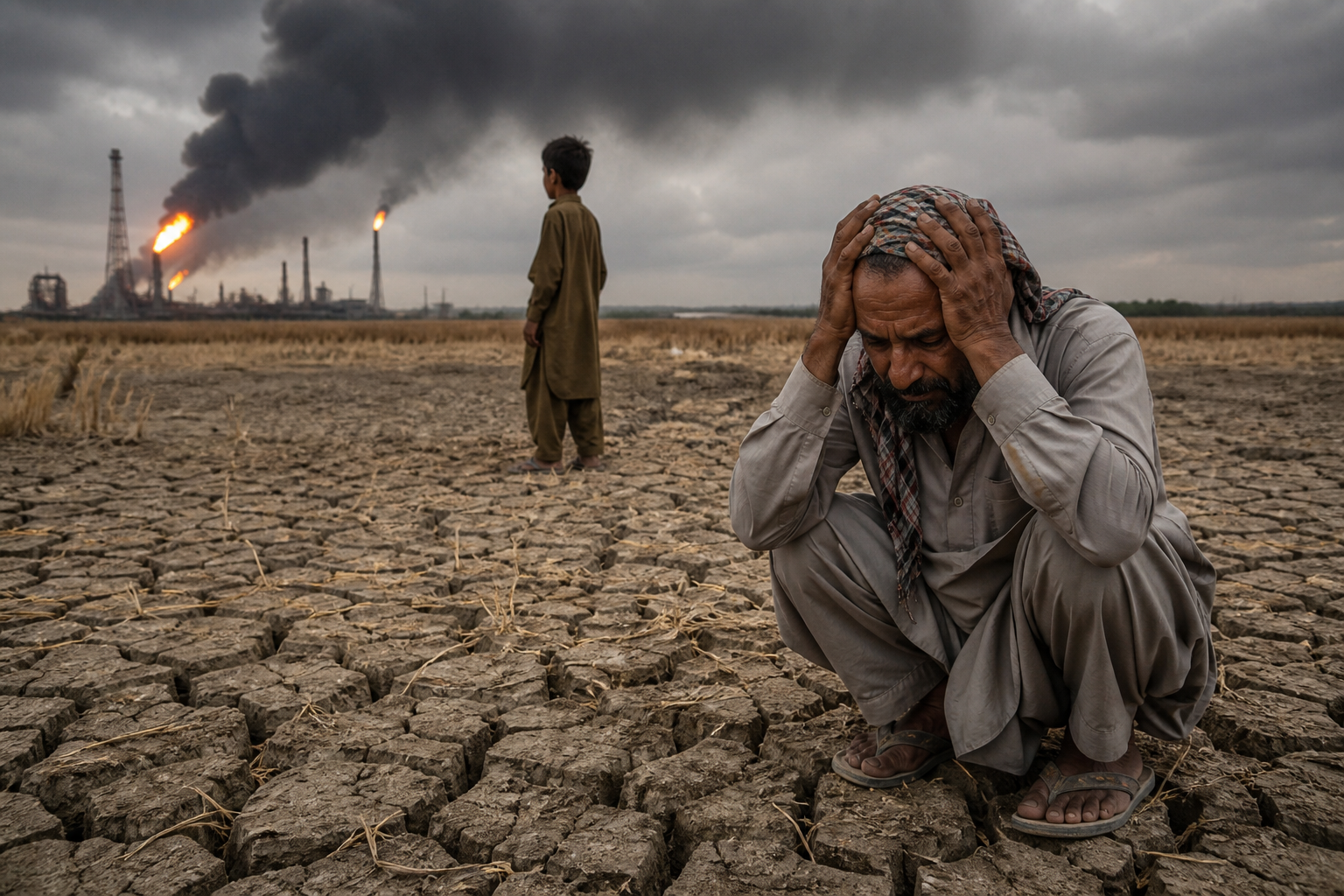
Food security risks across Asia have reached a point where the damage to this season's harvests may be irreversible, Verisk Maplecroft warned in a report covered by Insurance Journal. The consultancy identifies a dual pressure: the war in Iran disrupting fuel and fertilizer supplies, and a powerful El Niño delivering weather extremes across key agricultural regions simultaneously.
The on-the-ground picture is already deteriorating, according to Insurance Journal's account of the report. Indonesia, the world's largest palm oil producer, is dealing with wildfires that have disrupted harvests. India's monsoon rains are running 15% below normal, a significant shortfall for the world's top rice exporter. Thailand's sugar harvest is set to fall, and Thai farmers are entering the next planting season carrying heavy debt loads while the country remains highly exposed to imported energy and fertilizer costs.
Verisk Maplecroft's data shows that over half of countries rated high- or very high-risk on its Food Security Index also sit in the two highest categories of its Civil Unrest Index. The named markets are India, Bangladesh, the Philippines and Indonesia, where the consultancy notes protests have already broken out in recent weeks. For Afghanistan and Myanmar, already conflict-affected, the consultancy says a food shock would raise the risk of a humanitarian catastrophe.
The report's most pointed observation is about timing. "The impacts are increasingly visible," Verisk Maplecroft said, as quoted by Insurance Journal. "In many key agriculture regions, planting and fertilization decisions were made during the peak of the disruption, meaning negative impacts may now be locked in even if the geopolitical situation improves in the coming months."
Insurance Journal also noted the financial market response: the head of ZAMS Asset Management, described as a former Balyasny Asset Management trader, is positioning for what he called an "unusually alpha-rich environment," while Moreton Capital Partners is reportedly targeting $500 million to trade food price volatility driven by El Niño conditions.
For the insurance and reinsurance market, the Verisk Maplecroft framing carries direct relevance. Political violence and civil unrest coverage, trade credit, agricultural insurance and supply chain-linked products all sit in the path of the risks the consultancy is describing. The correlation between food security stress and civil unrest is well-established in political risk underwriting, and the consultancy's point about decisions already being locked in is significant: it suggests this is not a watch-and-wait situation but one where exposures are already accumulating.
What the reporting does not establish is the scale of insured exposure in the named markets, or how carriers with political risk or agricultural books in South and Southeast Asia are currently assessing their positions. Those are the questions underwriters in those lines will need to answer for themselves. The next data point to watch is whether India's monsoon deficit widens further before the season closes, and whether Indonesian wildfire activity continues to escalate into the palm oil harvest period.
Source: https://www.insurancejournal.com/news/international/2026/09/17/885421.htm
Insurance Wire provides news and information, not insurance, legal, or financial advice. Consult a qualified professional about your specific needs.