Claims
Texas Supreme Court Takes Up Zurich Challenge Over BNSF Asbestos Defense Costs
By Insurance Wire Staff, . Insurance Wire.
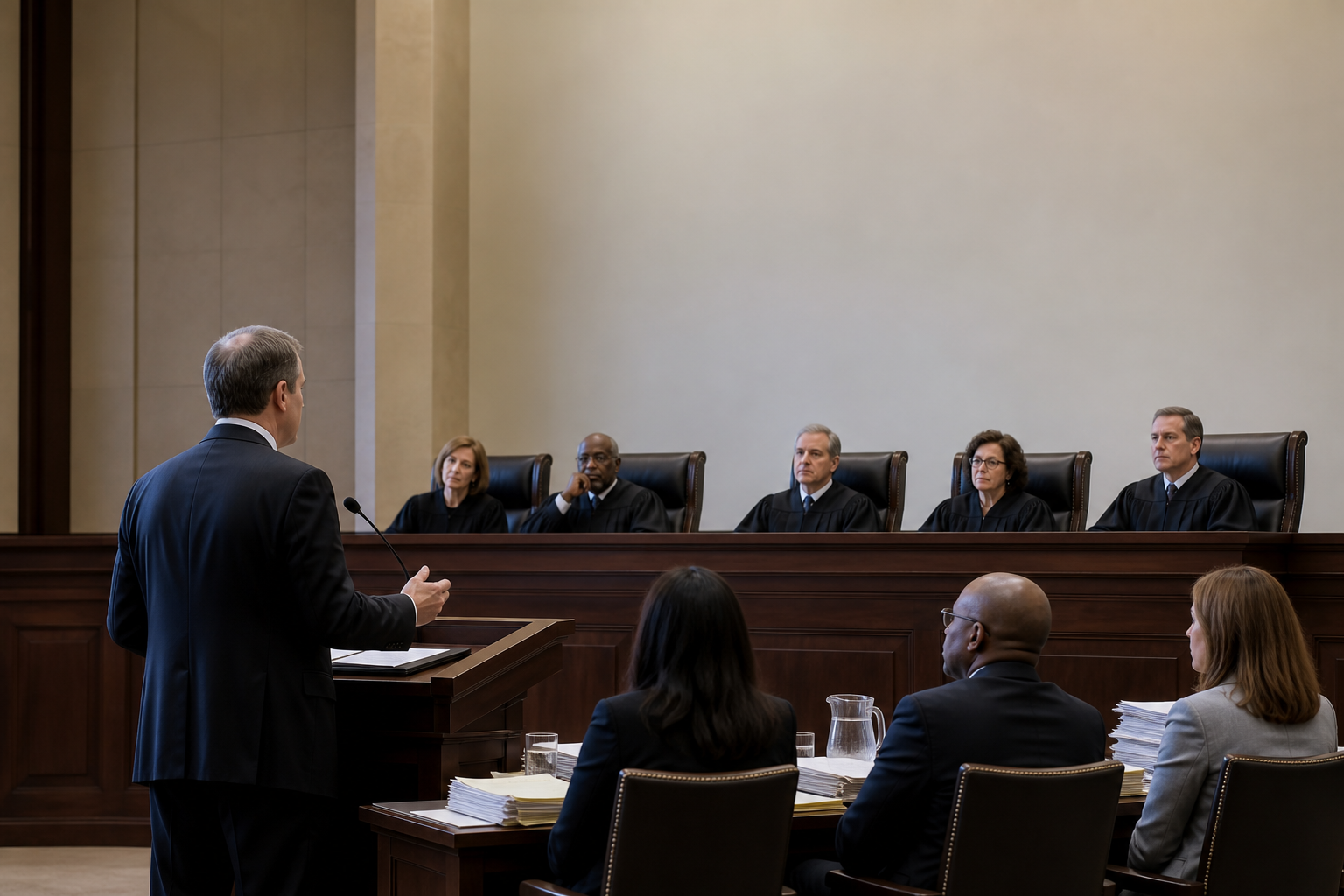
The Texas Supreme Court has agreed to hear a dispute over whether Zurich American Insurance Co. must continue paying to defend BNSF Railway against hundreds of asbestos exposure lawsuits, according to Law360 Insurance Authority, which reported the court's decision to take up the case on Friday.
The underlying question is whether Zurich remains obligated to fund BNSF's defense costs in ongoing asbestos litigation. A lower court found that it does; Zurich is challenging that finding. The Texas Supreme Court's decision to grant review means the state's highest court will now weigh in on the scope of that obligation.
The report from Law360 Insurance Authority does not detail the specific policy language at issue, the dollar amounts involved, or the procedural history below the supreme court level. Those details matter for assessing how broadly any ruling might apply, and no official record of the lower court's reasoning is available from the reporting provided.
For carriers and coverage counsel, the case sits at a well-worn but persistently contested intersection: the extent to which a commercial insurer's duty to defend survives as mass tort dockets evolve, claims accumulate, and the original policy period recedes further into the past. Asbestos litigation has been running in U.S. courts for decades, and disputes over which insurer owes what, and for how long, remain a live source of coverage litigation. A Texas Supreme Court ruling on the Zurich-BNSF dispute would carry weight beyond these two parties, particularly for insurers with legacy general liability books that include railroad or industrial policyholders.
The harder question the court will likely have to address is whether the duty to defend, once triggered, can be exhausted or terminated under the policy terms Zurich issued, or whether BNSF's ongoing exposure to new asbestos suits keeps that obligation running. That question turns on contract language the reporting does not reproduce, so the answer is not yet available.
What to watch: the Texas Supreme Court's eventual ruling, and whether it addresses the exhaustion question or turns on narrower grounds. Insurers carrying similar long-tail defense obligations in Texas should review how their policy language compares to whatever terms the court ultimately interprets.
Insurance Wire provides news and information, not insurance, legal, or financial advice. Consult a qualified professional about your specific needs.