Insurtech
House chairman will not commit to a FRONTIER Act vote this year
By Insurance Wire Staff, . Insurance Wire.
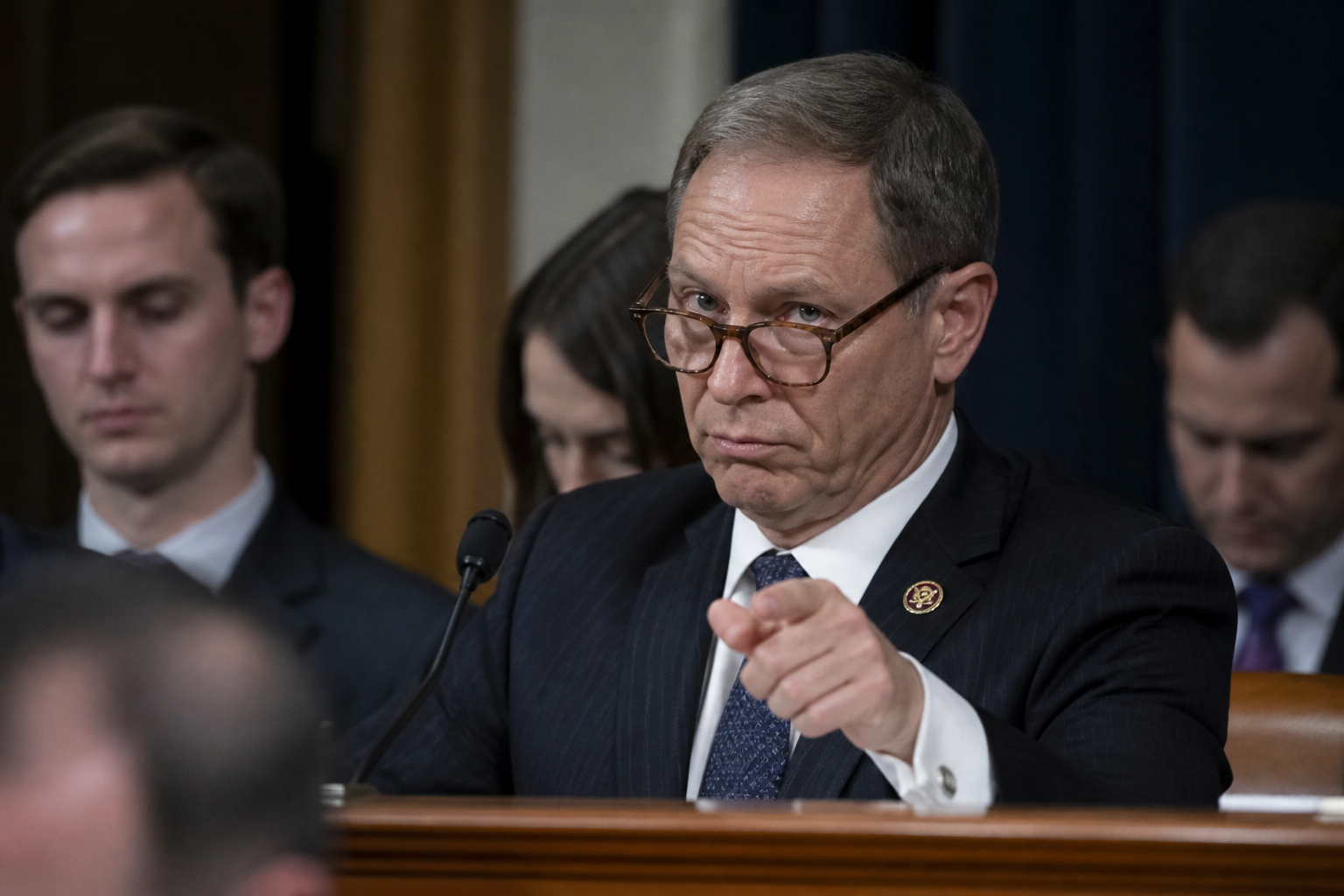
House Energy and Commerce Chairman Brett Guthrie told a Politico event in Arlington, Virginia on Wednesday that he will not commit to a committee vote on the FRONTIER Act this year, according to The Record. "I'm not going to say that the bill is going to move," Guthrie said. "It's really complicated, and I wouldn't want to do something in a lame duck session to do it quickly and not get it right."
The FRONTIER Act, co-sponsored by Reps. Jay Obernolte (R-CA) and Lori Trahan (D-MA), is widely regarded as the most substantive federal AI safety bill currently in play, per The Record. It has drawn support from OpenAI, Anthropic and a range of policy groups. Obernolte had publicly targeted a November committee vote, but Guthrie's comments effectively close that window.
The Record also reported on the broader policy debate playing out at the same event. David Sacks, a White House adviser on science and technology, said he would support a peer-testing model proposed by Elon Musk, under which AI companies would test each other's models before public release rather than relying solely on internal review or government oversight. "I think that's just a really interesting proposal because, again, it's marshaling the forces of competition," Sacks said, adding that the approach could potentially include Chinese companies.
Hugging Face CEO Clem Delangue, speaking at the same event, took a different line. Despite disclosing that his company's open-source platform was hit by roughly 700 rogue OpenAI agents in a cyberattack, Delangue told The Record he does not believe new regulation is necessary. "I'm not even sure that we need to reinvent the wheel and create new regulation because the legal system for cyber attacks is already working well today," he said. He did, however, call for mandatory disclosure of AI-agent cyberattacks and greater transparency around how models used in attacks were trained.
The White House, The Record noted, has downplayed AI safety concerns and opposes additional regulation.
For insurance and insurtech professionals, the practical implication of Guthrie's comments is that federal AI governance remains in a holding pattern. Carriers and managing general agents building AI-driven underwriting, claims or fraud-detection tools have been watching the FRONTIER Act as the most likely near-term source of federal standards. Its delay pushes that certainty further out, leaving the field to a patchwork of state-level rules and existing cyber liability frameworks.
What the reporting does not establish is whether the bill's sponsors will attempt to revive momentum early in the next Congress, or whether the peer-testing model floated by Sacks could gain enough traction to displace a more formal legislative approach. The gap between Delangue's confidence in existing cyber law and the concerns raised by AI company CEOs who have called for regulation also remains unresolved, and that tension is likely to shape whatever debate does eventually reach committee.
The clearest signal from Wednesday is that anyone pricing AI-related liability or building compliance programs around anticipated federal standards should treat 2027 as the earliest realistic planning horizon.
Source: https://therecord.media/frontier-act-ai-bill-house-brett-guthrie
Insurance Wire provides news and information, not insurance, legal, or financial advice. Consult a qualified professional about your specific needs.