Regulation
Florida Supreme Court to Hear Challenge to Citizens Property Insurance Arbitration Clause
By Insurance Wire Staff, . Insurance Wire.
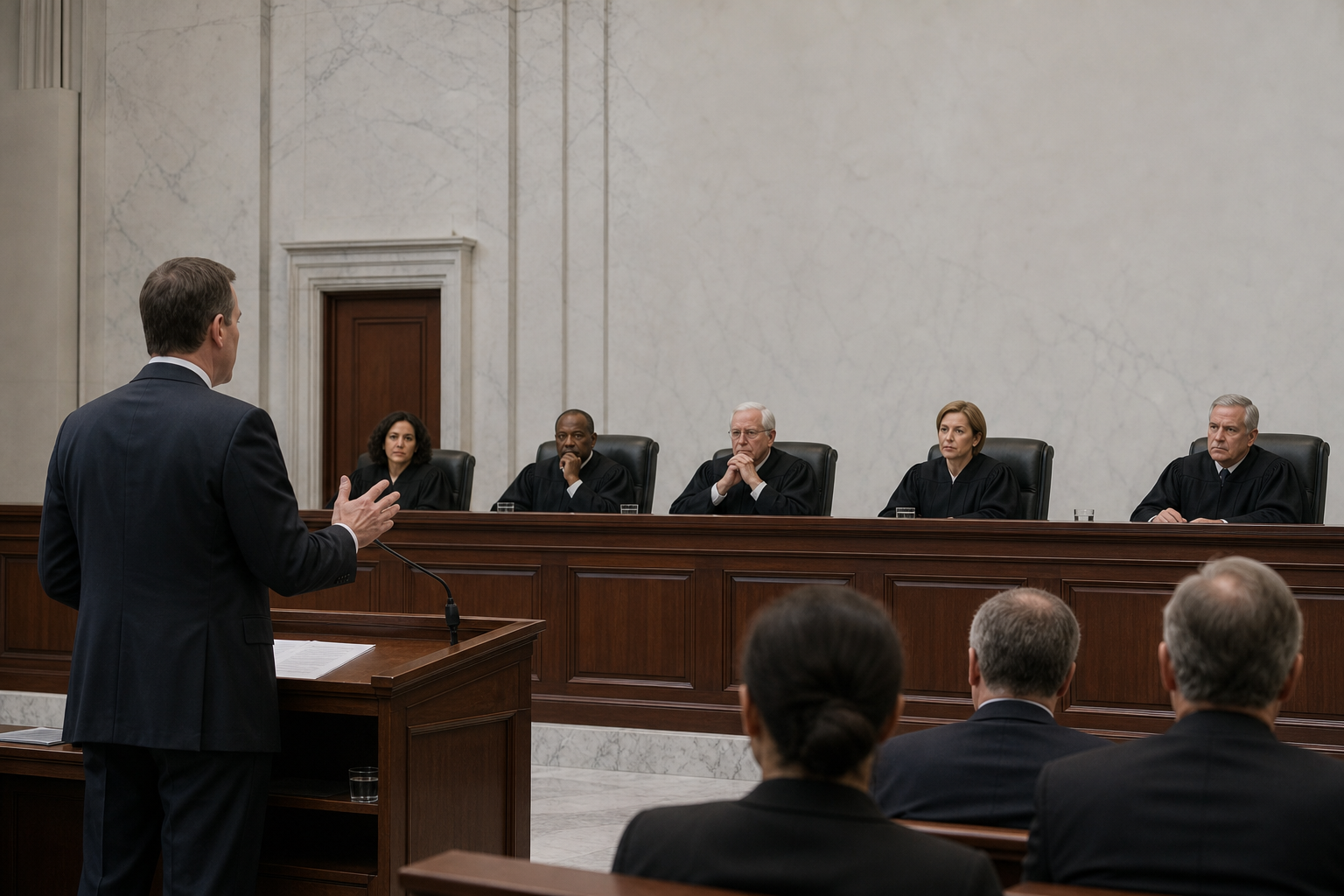
The Florida Supreme Court has agreed to hear a case that will determine whether Citizens Property Insurance Corporation, the state-backed insurer of last resort for Florida homeowners who cannot find coverage elsewhere, can force policyholders into arbitration rather than letting them sue in court. AM Best's news service reported the court's decision to take the case, and Law360 Insurance Authority covered Citizens' argument before the justices.
What the dispute is about
Arbitration is a private process in which a neutral third party, rather than a judge and jury, decides a dispute. Insurance companies often prefer it because it tends to be faster and less expensive than litigation. Policyholders sometimes resist it because they give up the right to a jury trial and, in some cases, to appeal.
Citizens wants the court to reverse a trial court ruling that refused to enforce an arbitration clause in its policies. The trial court found that Citizens' relationship with the state of Florida could tilt the arbitration process in the insurer's favor. Citizens told the justices there is no evidence supporting that conclusion.
What the lower courts have done
The picture from the lower courts is mixed. The trial court blocked the arbitration clause on bias grounds. But Insurance Journal reported in March 2026 that a separate Florida judge sided with Citizens in a related proceeding, ruling that Florida law exempts Citizens from certain statutory restrictions on arbitration clauses in insurance policies. That ruling, by a judge identified in the report as Sjostrom, came roughly six weeks after an earlier decision in the same proceeding.
The fact that different courts have reached different conclusions on related questions is itself the reason the Florida Supreme Court's intervention matters. Until the state's highest court settles the legal question, carriers and policyholders alike are operating without a clear rule.
Why it matters beyond Citizens
Citizens is not an ordinary insurer. It was created by the Florida legislature as a safety net, and it insures a large share of Florida's coastal and high-risk properties. A ruling that Citizens can require arbitration would affect a significant number of policyholders who have no other coverage option and therefore no ability to take their business elsewhere if they object to the terms.
The broader question is whether a state-created insurer, because of its government ties, faces different legal standards than a private carrier when it comes to dispute resolution. Citizens says those ties are irrelevant to whether arbitration is fair. The trial court said they were not. The Supreme Court will now decide which view holds.
What to watch
The case has not yet been argued before the justices, and no ruling date has been reported. Carriers writing in Florida, brokers placing homeowners into Citizens policies, and claims professionals handling Citizens disputes should watch for the court's decision, which will clarify whether arbitration clauses in Citizens policies are enforceable and on what terms. If the court sides with Citizens, the practical effect is that policyholders disputing a claim would have to go through arbitration first, with court access limited or eliminated depending on the clause's specific language.
Sources
1. Citizens Tells Fla. Justices Arbitration Forum Isn't Biased, law360.com
2. Judge Sides With Florida Citizens in Another Win for DOAH Arbitration Plan, insurancejournal.com
Insurance Wire provides news and information, not insurance, legal, or financial advice. Consult a qualified professional about your specific needs.