Regulation
Democratic Congress Gains Oversight Leverage Over Trump Global Health Cuts
By Insurance Wire Staff, . Insurance Wire.
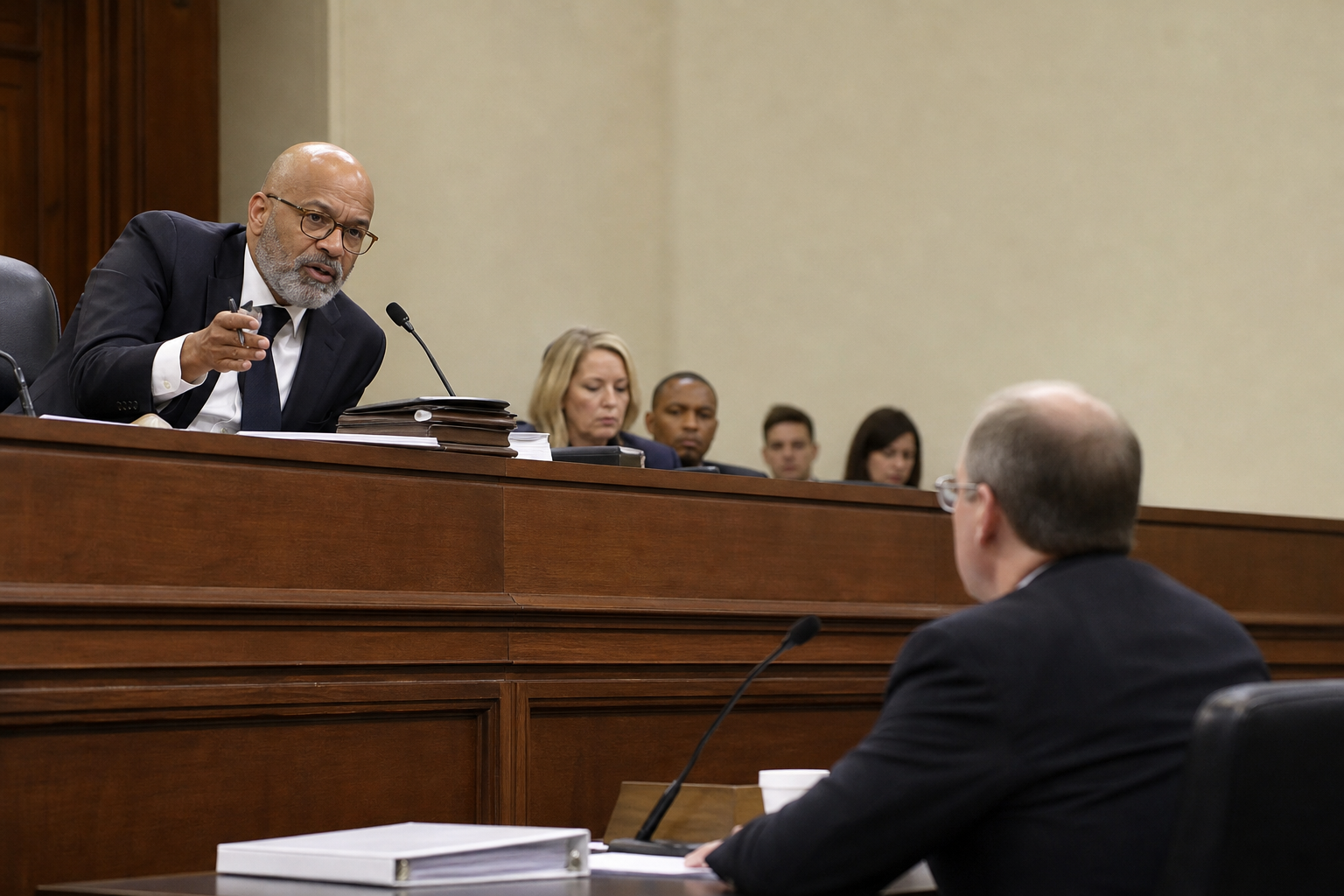
Democrats taking control of Congress after the 2026 midterms hands them a set of tools to challenge the Trump administration's overhaul of U.S. global health spending, according to a policy analysis published by KFF. The election itself was not fought on global health, the analysis notes, but the administration's moves to shut down the U.S. Agency for International Development drew significant public attention, and polling showed Americans believe those cuts have harmed people abroad and damaged the country's standing in the world.
What Democrats can now do
Congress holds broad oversight authority over the executive branch, exercised through hearings, investigations, document requests and language written into spending bills. The analysis finds that Democrats are likely to use that authority more aggressively than the Republican majority did, pressing harder for data and transparency on the administration's America First Global Health Strategy, including the bilateral agreements it has signed with individual countries and the implementation plans behind them. Oversight of what happened to USAID and what its closure means for global health programs is also expected to intensify.
On spending, the Republican-controlled Congress continued to fund most global health programs at roughly existing levels even as the administration rescinded some of that money and redirected other appropriated funds away from their original purposes. Democrats are expected to write tighter language into future spending bills specifying exactly how funds must be used. If the administration refuses, Congress has the option of going to court, though the analysis says it is not clear whether lawmakers would pursue that route on these particular issues.
The limits of congressional power
The administration still holds the stronger hand in several respects. Congress cannot simply cancel the executive orders the administration has issued, and President Trump could choose to ignore congressional demands, press further with current policy, or selectively cooperate depending on the issue. Personnel changes at the cabinet level, such as a departure by Secretary of State Marco Rubio or Health and Human Services Secretary Robert F. Kennedy Jr., each of whom controls different parts of global health policy, could also shift the picture in ways that are hard to predict.
The longer-term questions about the future shape of U.S. global health engagement remain open regardless of who controls Congress. These include how to responsibly wind down or transfer programs that countries are not yet ready to absorb on their own, what role PEPFAR (the President's Emergency Plan for AIDS Relief, the largest single component of the U.S. global health portfolio) will play as HIV programs are pushed into national health systems, and how the U.S. should engage multilateral bodies. The administration has continued some multilateral engagement even during its restructuring, including new arrangements with the Global Fund to Fight AIDS, Tuberculosis and Malaria and a resumption of contributions to Gavi, the Vaccine Alliance.
What to watch
The analysis identifies bipartisanship as historically the defining factor in sustaining U.S. global health commitments across administrations. That consensus faces real pressure now. Several Republican lawmakers who were consistent advocates for global health programs, including Senators Susan Collins and Lindsey Graham, are leaving Congress. Democratic champions such as Senators Patty Murray, Brian Schatz and Chris Coons and Representative Lois Frankel move into majority positions, but more than 100 new members are arriving with little or no background on these issues.
Whether that coalition holds or fractures is, in the analysis's framing, the central variable for the next two years. For carriers, brokers and administrators working in international health programs, travel health or any line of business tied to U.S. government-funded health infrastructure abroad, the practical question is how quickly appropriations language and oversight pressure translate into restored program stability, and whether the administration treats congressional demands as binding or advisory.
Insurance Wire provides news and information, not insurance, legal, or financial advice. Consult a qualified professional about your specific needs.