Claims
9/11 at 25: Insurance Industry Paid $59 Billion in Today's Dollars, Marsh and Aon Lost Hundreds
By Insurance Wire Staff, . Insurance Wire.
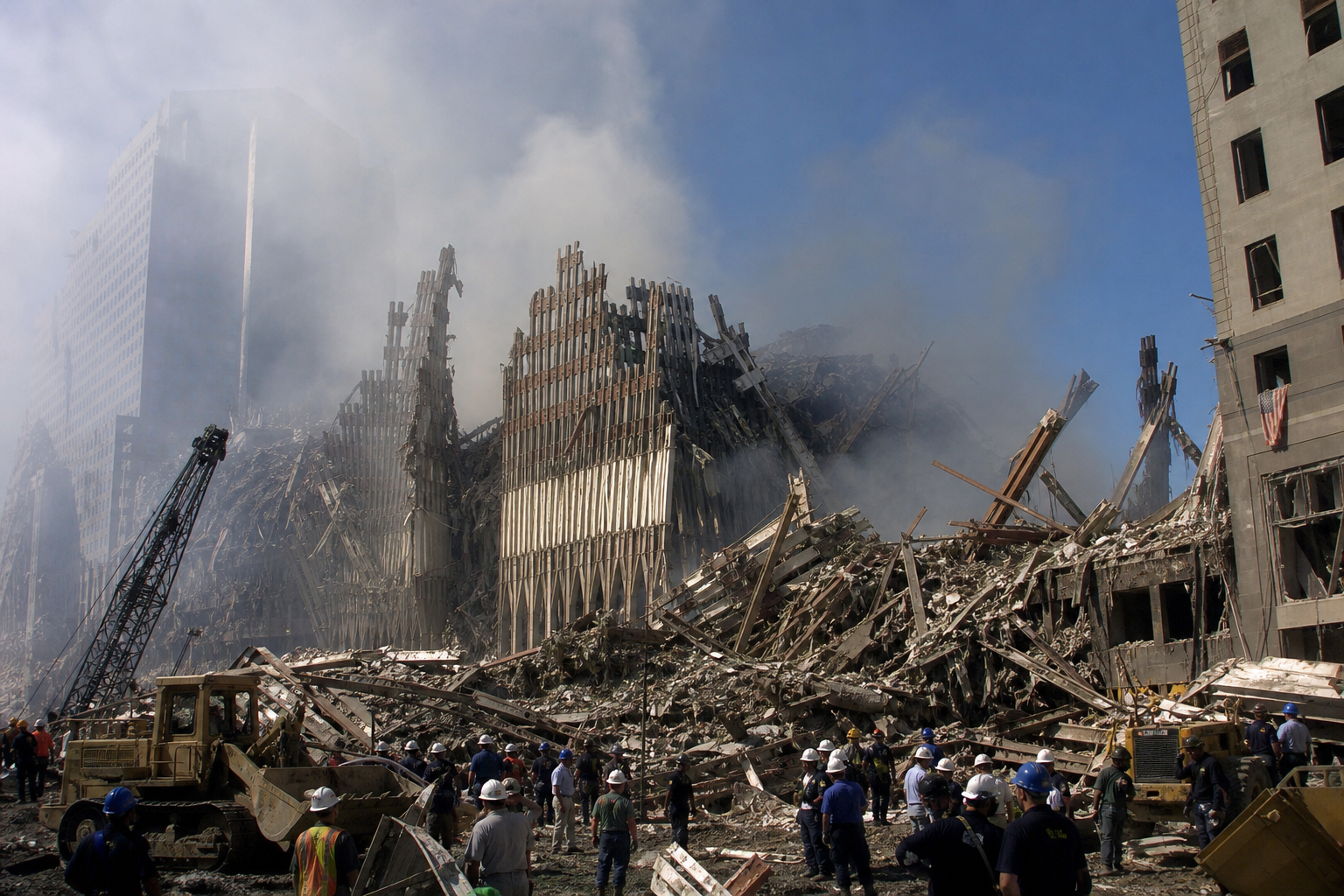
Claims Journal has published a substantial 25th-anniversary piece on the September 11, 2001 attacks, drawing together the human, financial and structural consequences for the insurance industry and the country.
On the financial side, Claims Journal cites the Insurance Information Institute in reporting that the insurance industry paid out approximately $19.6 billion at the time of the attacks, equivalent to roughly $59 billion in today's dollars. The III characterises 9/11 as the costliest man-made insurance event in history. The attacks also reshaped how terrorism risk is treated in commercial policies: before September 11, terrorism coverage was routinely bundled into standard commercial property policies; after the attacks, insurers began excluding it, a shift that ultimately led to the creation of a federal terrorism backstop for property insurance markets.
The human toll within the industry was severe. Claims Journal reports that Marsh McLennan, including Guy Carpenter, lost 295 employees and 63 contractors, while Aon lost 176 people. The article notes that no businesses suffered more casualties. Marsh maintains a glass memorial wall at its main Manhattan headquarters etched with the names and original signatures of every colleague lost, alongside an interactive online tribute platform.
Beyond the immediate death toll of nearly 3,000, Claims Journal cites data from the World Trade Center Health Program showing that as many as 5,900 first responders, nearby survivors and workers have since died from toxic dust and cancer-related illnesses linked to Ground Zero exposure, with thousands more managing chronic illness and mental health conditions. The Health Program continues to treat people today.
The article also sets out the broader casualty figures: 2,753 people died at the World Trade Center site, including 343 FDNY firefighters, 23 NYPD officers and 37 Port Authority police officers. A total of 189 people died in the Pentagon attack; all aboard United Airlines Flight 93 and the four hijackers were killed in Shanksville, Pennsylvania.
On the military side, Claims Journal cites Brown University research in reporting that more than 2,300 U.S. service members, more than 1,100 Allied troops and close to 4,000 contractors died in the Afghanistan conflict that followed, a war that lasted 20 years.
For insurance professionals, the anniversary is a useful moment to revisit how completely 9/11 restructured the terrorism risk market. The exclusion of terrorism from standard commercial policies and the subsequent federal backstop remain live structural features of the market today, not historical footnotes. The House recently passed a bill to extend that federal backstop through 2034, according to a separate item referenced in the Claims Journal piece, though the details of that legislation have not been reported.
What to watch: the ongoing operation of the World Trade Center Health Program and any legislative developments around the federal terrorism backstop are the two threads with direct relevance to carriers and commercial lines professionals.
Source: https://www.claimsjournal.com/news/national/2026/09/11/340092.htm
Insurance Wire provides news and information, not insurance, legal, or financial advice. Consult a qualified professional about your specific needs.